RESEMBLE.

Voice production

Make a resemble ai voice cloning plan you can review

A convincing voice match starts with permission and a suitable recording, not a prompt alone. Use this checklist to prepare a voice cloning test, judge its output, and decide what needs another take.

Use only voices you may reproduce
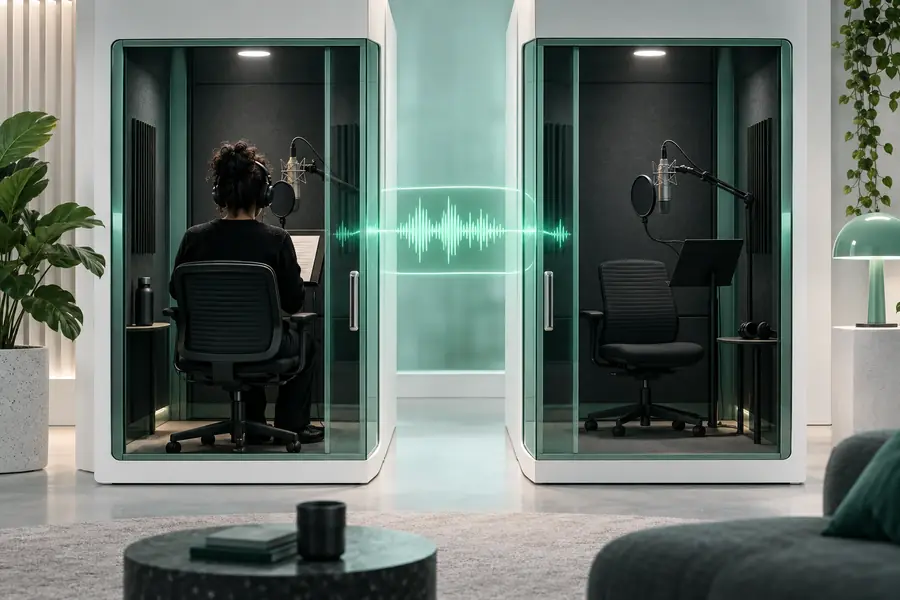
Resemble voice creation visual

Each item

Work through the source, the script, and the listening pass in that order. Changing all three at once makes a weak result difficult to diagnose.

Secure an authorized source

Record your own voice or obtain explicit permission from the speaker for this use. Choose clear speech with little background noise, avoid overlapping speakers, and keep a record of what the permission covers. A resemblance to someone else is not a substitute for consent.

Write a revealing test script

Include the names, numbers, questions, and emotional tone the final recording will actually need. Start with a short passage so you can hear pronunciation and pacing without reviewing a long file. Keep the wording fixed while comparing attempts.

Generate, listen, and revise

Listen to the entire result, including quiet words and sentence endings. Compare it with the permitted source for cadence and clarity, then change one variable: the source recording, the script, or the delivery instructions. Save the version and wording you approved.
Quality bar

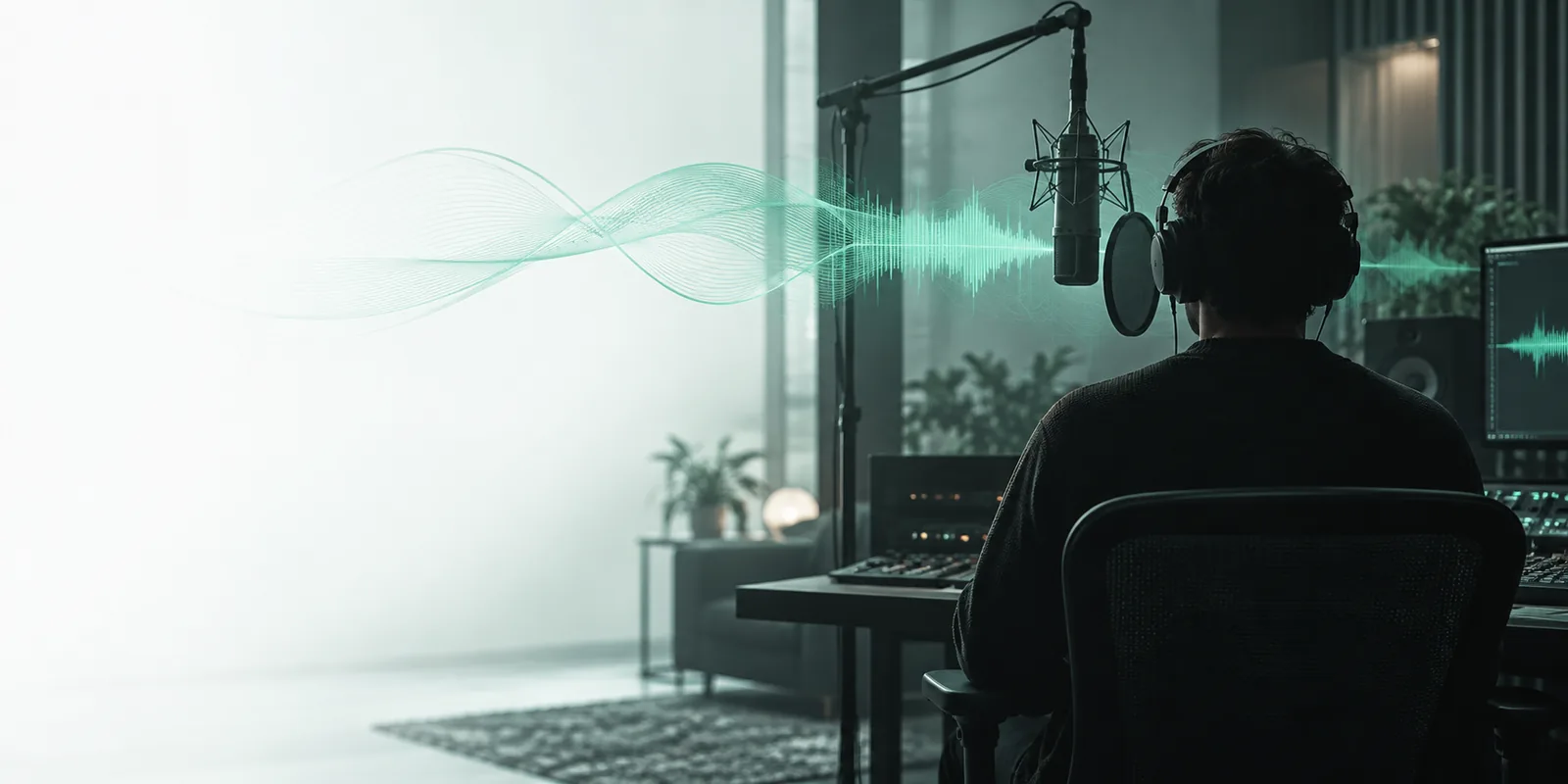
A visual comparison can organize the review, but it cannot prove an audio match. Listen to the output before using it in a video, message, or public release.

Source and brief

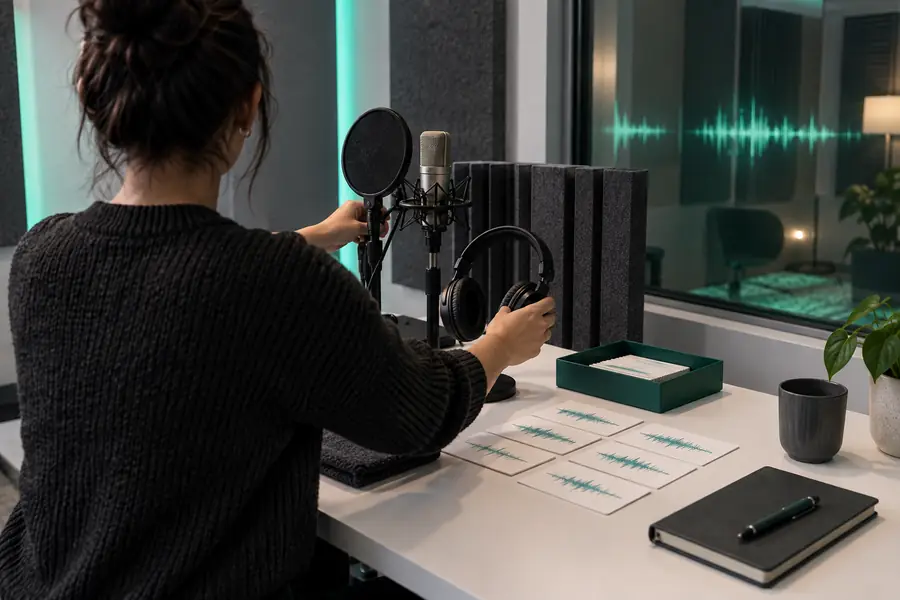
Illustration representing source preparation for a voice project
Illustration representing review of a generated voice project
Reviewed reading

These images illustrate workflow stages; they are not spectrograms or evidence that a generated recording matches a speaker. A usable voice cloning result must also pronounce required words correctly, maintain a natural rhythm, and avoid audible artifacts.

Common rework

Treat a failed listening check as useful information. The fixes below address common causes without promising that every voice or recording can be reproduced faithfully.

It cannot establish permission

A plausible voice does not show that its speaker agreed to cloning or to the intended publication.

WorkaroundDocument consent before providing source audio, and disclose synthetic speech where listeners could mistake it for a real recording.

It cannot restore a poor source

Noise, clipping, distant speech, and multiple speakers can obscure the characteristics the output needs to reflect.

WorkaroundMake a new, clean recording in a quiet space and test it with the same script before rewriting the brief.

It cannot guarantee every pronunciation

Names, abbreviations, and unfamiliar terms may sound wrong even when the overall voice is recognizable.

WorkaroundPut difficult terms in the test script, listen to them individually, and adjust the wording or phonetic guidance where supported.

It cannot replace a final human listen

A short preview may miss unnatural transitions, inconsistent emphasis, or errors near the end of a longer passage.

WorkaroundReview the full export in its intended setting and ask an authorized reviewer to check sensitive wording.

Delivery checklist

Use the table to distinguish a quick resemblance test from a recording ready to share. It is a review framework, not a claim about a particular tool's limits or supported formats.

Initial test Share-ready reading
1

Speaker rights

Initial test

Permission is checked before testing.

Share-ready reading

Permission also covers the audience and intended use.

2

Source audio

Initial test

One clear, single-speaker sample is selected.

Share-ready reading

The chosen source is documented and free of obvious noise or clipping.

3

Script

Initial test

A short passage exposes the desired tone.

Share-ready reading

The final wording, names, and numbers are checked.

4

Voice match

Initial test

The result broadly resembles the authorized speaker.

Share-ready reading

Cadence, emphasis, and consistency hold across the full passage.

5

Pronunciation

Initial test

Difficult words are noted.

Share-ready reading

Each required term is heard and approved in context.

6

Disclosure

Initial test

The team knows the reading is synthetic.

Share-ready reading

The audience receives appropriate context if confusion is possible.

7

Final review

Initial test

A preview is heard from start to finish.

Share-ready reading

The actual file is checked in the channel where it will appear.

Put your voice brief to work

Test the reading, then judge the recording

Bring an authorized voice source and a short script that includes the words most likely to cause trouble. Generate a test, listen all the way through, and revise the weakest part before treating a resemblance as a finished result.

  • Use a voice you own or have permission to reproduce
  • Check pronunciation and pacing against your script
  • Review the full recording before sharing it

Scenario FAQ

Prepare a clean recording from a speaker who has authorized the intended use, plus a short script that tests the words and tone you need. Keep the source and script consistent across attempts so you can tell whether a revision helped.

Yes. A voice may be recognizable yet mispronounce a name, rush a sentence, or sound unnatural at the end of a longer passage. Judge the complete reading against the script and its intended setting, not just a short preview.

A delivery prompt can describe tone and pacing, but it does not establish a speaker's identity or permission to reproduce their voice. If a workflow requires source audio, use only an authorized recording and follow the tool's stated requirements.

Identify whether the problem is source quality, pronunciation, or delivery. Replace noisy source audio for an inconsistent voice; adjust the script or supported pronunciation guidance for a wrong word; and revise delivery instructions for pacing.

Disclose it when listeners might otherwise believe they are hearing a real recording of the speaker, especially in a public or sensitive context. Consent to create a clone and clarity about its use are separate checks.

Try detection
Try detection